Text Messaging
Turn any Android phone into an SMS gateway
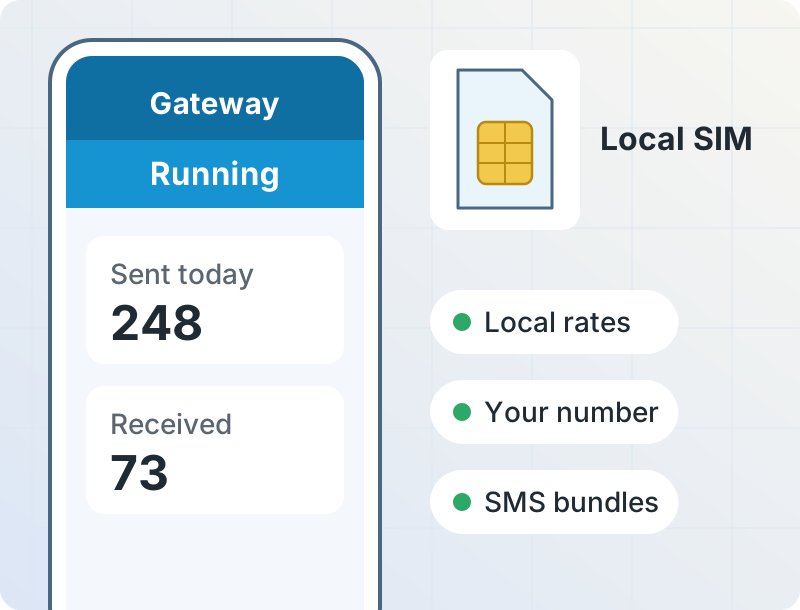
Use a local SIM card to send and receive SMS at local rates.

Manage from any browserAndroid 4.4 or higherWorks with any local SIM
Install the Telerivet Gateway app on an Android phone with a local SIM to forward messages between your mobile network and Telerivet. Your team can send and receive SMS through the phone from any browser or via the API.
Your Contacts
Mobile Networks
Telerivet Servers
Learn more:
.....
The Telerivet Gateway app is ideal in countries where virtual numbers are unavailable or expensive. Your SMS messages reach anyone with a mobile phone, including people without smartphones or internet access.
The Android phone just needs to stay on, connected to the internet, and topped up with airtime.
Local SIM, local rates
Send and receive with your own local phone number at your mobile network's normal rates, with no international routing markups. Use a local texting plan or bundle to lower costs further, and connect phones on different networks to keep messages in-network.
Keeps working through outages
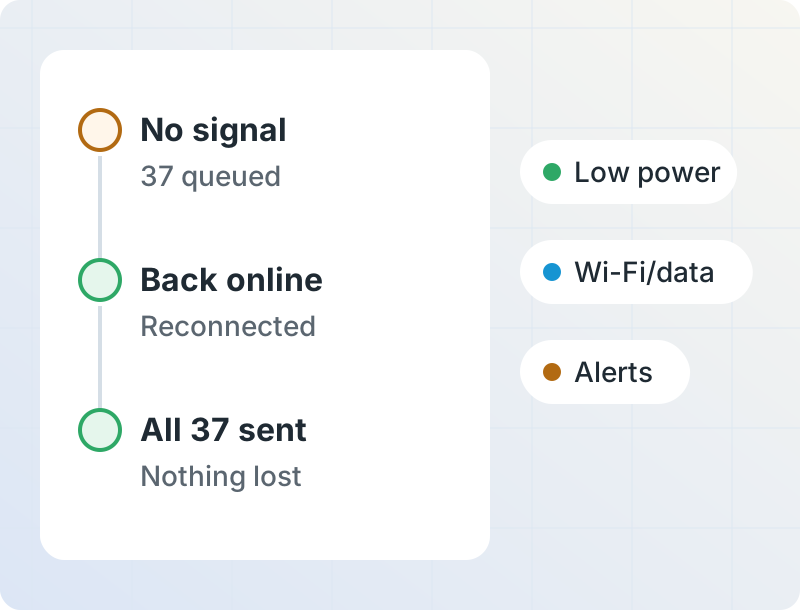
If the phone loses its connection or turns off, pending messages are saved and sent automatically when it comes back online. The app switches between Wi-Fi and mobile data as needed, low-power mode keeps it running for days on battery, and email alerts let you know if the phone goes offline. Anyone on your team can keep it running: just keep the phone charged, topped up with airtime, and in range of a signal.
Monitor and manage from any browser
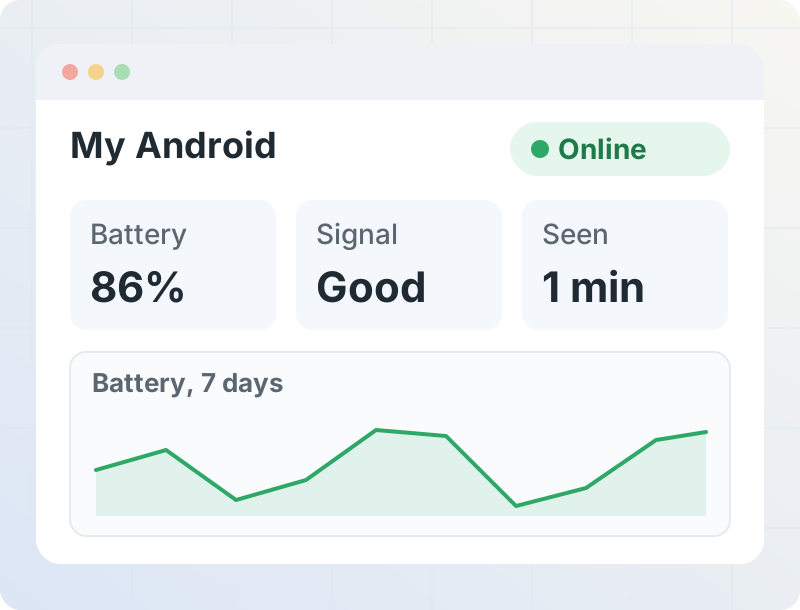
Check your phone's battery, signal and connection status from the Telerivet web app, view its status log and change app settings remotely, even when you don't have the phone in front of you. Historical charts show power and connectivity over time.
Add capacity with more phones
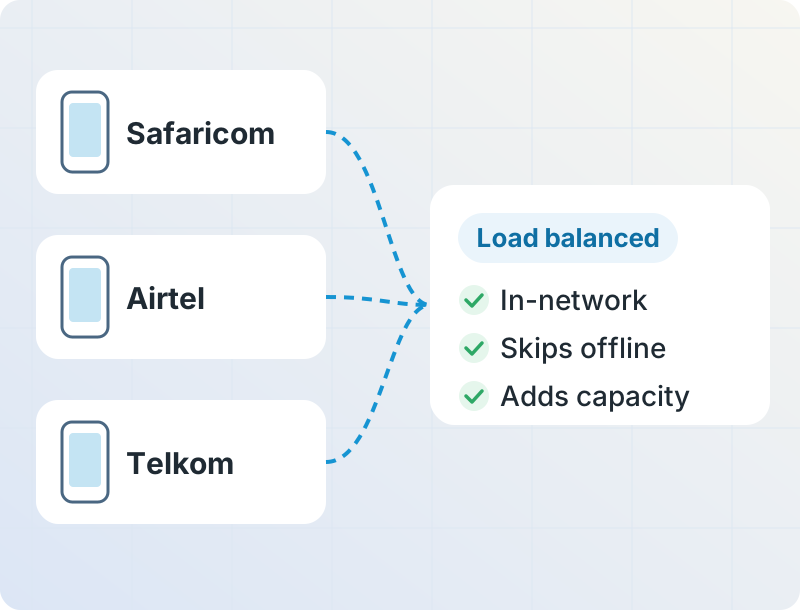
Each phone can send up to 1,000 SMS per hour and receive up to 6,000 (depending on your mobile network), and free SMS Expansion Packs lift Android's per-app sending limits. Connect more phones to add capacity: Telerivet can load-balance messages among them, skip phones that are offline, and keep messages in-network.
SMS, MMS, RCS, and missed calls
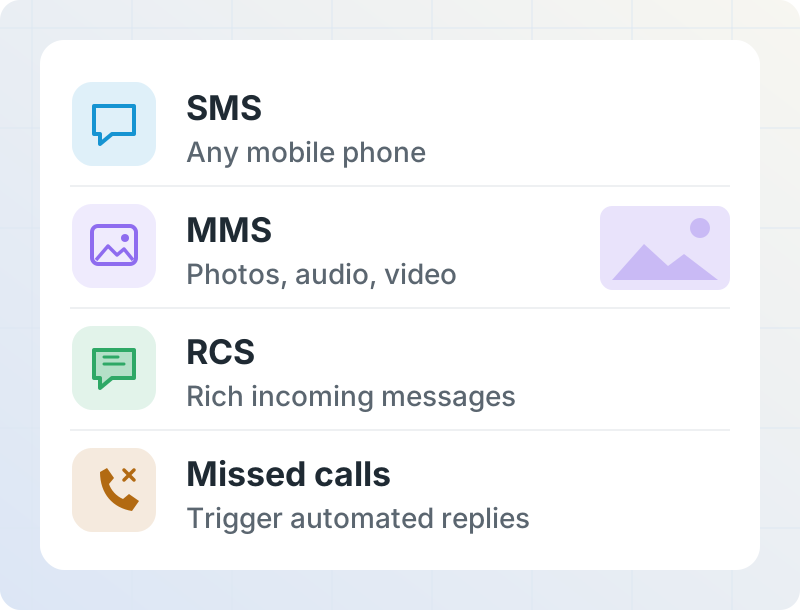
Send and receive SMS with any mobile phone, including long messages, Unicode, and non-Latin scripts. Send and receive MMS with photos, audio, video or documents, and receive RCS messages. When someone calls the phone, Telerivet can trigger an automated response, so people can request a callback or information with a free missed call.
Automate replies and workflows
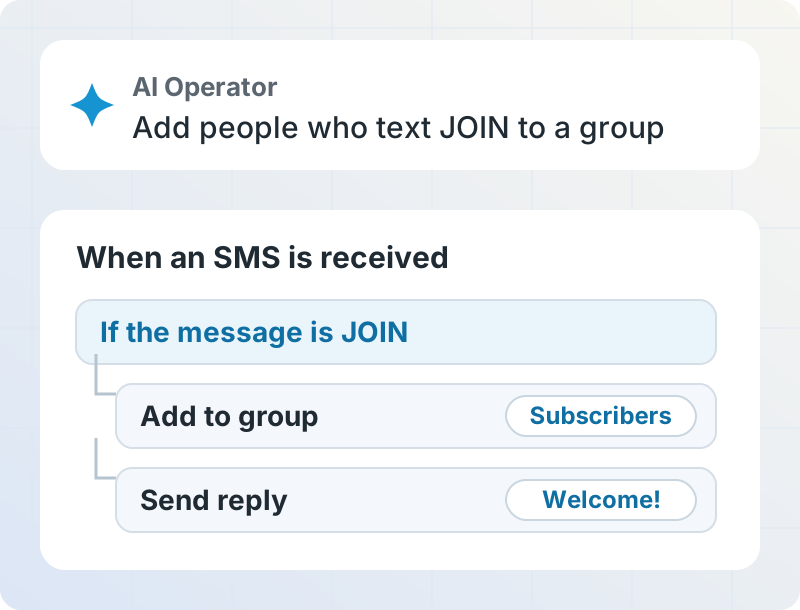
Reply to incoming messages automatically, run surveys and campaigns, or build workflows with the drag-and-drop Rules Engine. Or just describe what you need, and AI Operator builds it for you.
Developers can send messages through the phone with the REST API and receive incoming messages on their own server with the Webhook API.
Frequently asked questions
What can the Telerivet Gateway app send and receive?
The app can send and receive SMS with any mobile phone, including long (multipart) messages and Unicode scripts such as Arabic, Devanagari and Hangul. It can also send and receive MMS containing images, audio, video or documents (Android 5 or higher), and receive RCS messages with attachments up to 50 MB. Messages sent from the phone's own messaging app can also sync to Telerivet.
It can notify Telerivet of incoming calls so you can trigger automated responses to missed calls, and send USSD requests to check airtime balance, add scratch card credit, or transfer airtime. USSD menus that prompt for additional input (for example, *150*00# for Vodacom M-Pesa in Tanzania) aren't currently supported.
How many messages can one phone send?
Each phone can send up to 1,000 text messages per hour and receive up to 6,000 per hour, depending on your mobile network. Install the free SMS Expansion Packs to avoid Android's per-app SMS rate limits, and connect more Android phones to increase capacity.
The app is best suited for organizations sending fewer than 1,000 messages per day. Some mobile networks may block your SIM card if you send too many messages, particularly on postpaid plans with unlimited messaging.
Which Android phones work best?
The app runs on Android 4.4 or higher, which covers more than 99% of Android phones. Most inexpensive Android phones work well, and many are available for $100 or less. For the most reliable performance, use a device from Samsung, Google Pixel, or a similar major global brand.
Some manufacturers, including Huawei, Tecno, ZTE, Oppo and Xiaomi, are not recommended because their aggressive battery optimization can stop background apps, which may interrupt the Telerivet Gateway app and expansion packs. The app is also not recommended on ultra-budget devices running Android Go.
How do I pay for airtime and carrier costs?
Your mobile network charges the same as if you sent the messages directly from your Android phone. With a prepaid SIM card, that means you'll need to keep the phone topped up with airtime.
On 550+ mobile networks in 150+ countries, you can top up your phone's airtime directly from Telerivet (see pricing and availability). On other networks, you'll need to buy airtime separately, for example from a local vendor.
Is the Android gateway right for my use case?
The Android gateway is often the right choice when you need to deploy quickly, operate in a market where virtual numbers are unavailable, or keep messaging costs tied to local carrier rates.
For higher throughput, a virtual number, custom sender ID or shortcode may be a better option. See other messaging options
What other settings are available?
You can set optional quiet hours to avoid sending SMS at night, request SMS delivery reports (when supported by your mobile network), use an HTTP proxy server, and install updates automatically from Google Play. You don't need to connect the phone to a Google account: you can download the APK directly from Telerivet.
Get started with the Telerivet Gateway app
Create a free Telerivet account, then install the app on your Android phone.
No Google account? Download the APK directly